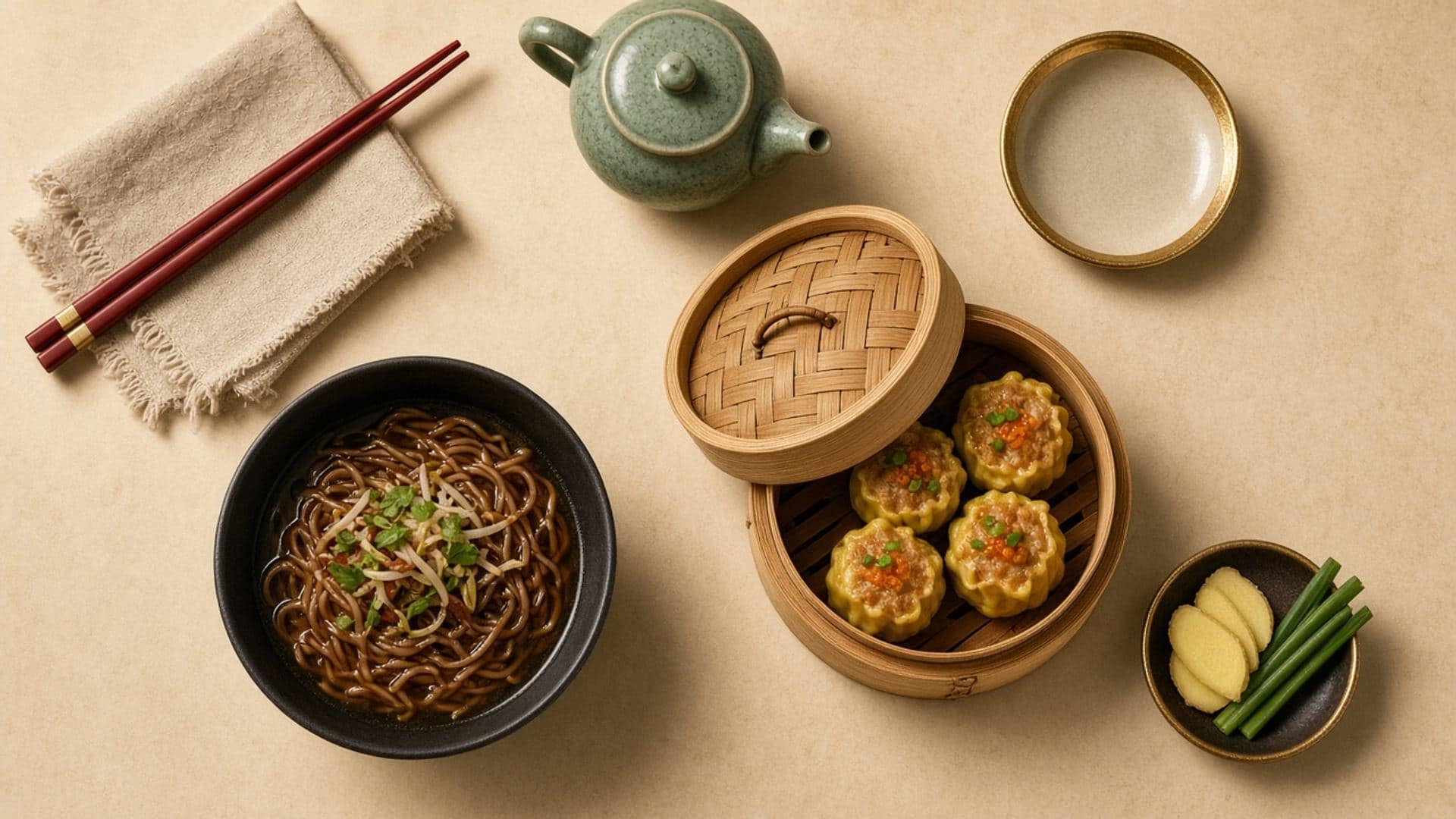
Chinese restaurant dining in Australia is not one cuisine and not one street. It is a set of regional kitchens — Cantonese, Sichuan, Shanghainese, Hakka, Teochew, Hunan, Beijing and others — cooked in rooms that range from a Sunday yum cha hall to a suburban family banquet and a late city noodle shop. This guide exists so you can place yourself in that landscape without being told where to sit.
The useful geography is what this site is for: which cities hold Chinese dining precincts, how Melbourne’s Chinatown formed, how a banquet is built, and how yum cha is ordered. Rooms open and close. We describe streets and kitchen practice, not a live list of operators.
How to use the city hubs
Open the hub for the city you will actually eat in. Each hub describes precincts, produce and the local rhythm of lunch, dinner and celebration. It will not hand you a ranked shortlist. That is deliberate. A “best Chinese restaurant” list ages overnight and usually collapses several regional cuisines into one score. A precinct note lasts longer: Little Bourke Street is not Box Hill; Gouger Street is not Northbridge; Fortitude Valley is not Sunnybank.
From a city hub you can move into three companion pages. Reviews pages explain how to judge a kitchen in that city — wok heat, regional honesty, how a room treats a large table — without naming operators. Recipe pages look at what grows or lands nearby and how that changes a home wok. Utility pages cover listing, recommending and contacting the guide.
If you are travelling, read the city first and the food guide second. If you are cooking, start at recipes and keep the regional cuisines essay open so you know whether you are making a Cantonese plate or a Sichuan one.
What “Chinese food” means on an Australian menu
For most of the twentieth century, Chinese restaurants in Australia were Cantonese-led. That is a migration story, not a claim that Canton is the only Chinese kitchen. Gold-rush and later southern Chinese communities built the first urban precincts. Australian-Chinese dishes — sweet-sour pork, lemon chicken, dim sims in Melbourne, the mixed banquet of spring rolls and fried rice — grew in those rooms as cooks worked with local produce and local diners.
From the late twentieth century the map widened. Sichuan heat, Shanghainese sweetness and vinegar, northern dumplings, Xinjiang lamb and bread, Hunan smoke, and vegetarian temple cooking all became easier to find in the larger cities. A useful first question in any room is not “is this authentic?” but “which region is this kitchen cooking from, and is it doing that on purpose?”
Authenticity is a poor yardstick in a settler country. Plenty of excellent rooms cook a local Chinese-Australian canon with skill. Plenty of newer rooms cook one province closely. Both can be good. Confusion starts when a menu promises everything and the wok is trying to be eight places at once.
Banquets, yum cha and the shared table
Chinese restaurant meals are built to share. That is the structural fact underneath almost every good table. A banquet is a sequence: cold plates, soup, a run of mains, a whole fish, a starch, a quiet sweet. Yum cha is a morning-to-afternoon cart and steamer system with its own pace. Weeknight dinners sit between those poles — a few dishes, rice, perhaps one showpiece.
If you are feeding a group, read the banquet guide before you phone a room. If you have never ordered from a cart, read the Chinese food guide. Both pages answer the practical questions first: how many dishes, who pours tea, what “small / medium / large” means, which plates are safer for vegetarian or gluten-avoiding diners.
What this site will not do
We will not invent prices, opening hours, awards, events or quotations. We do not keep a live list of rooms. Treat every page as general information. Allergen practice, licensing and kitchen standards change. Ask the venue about ingredients. Ask your own table about heat, offal and whole fish. Then use the guides to hear the answer more clearly.
Nine cities are on the map: Melbourne, Melbourne CBD, Adelaide, Perth, the Gold Coast, Geelong, Canberra, Brisbane and Hobart. Melbourne Chinatown has its own long guide because the public history is strongest there. Start wherever you will eat this week.
How the pages fit together
City hubs are maps of precincts and produce. Companion pages teach a method: how to read a room, how to order yum cha, how a banquet is sequenced, how a home wok should behave. Utility pages exist so you can mention a room, recommend one, or send a correction. None of those pages is a directory. If you arrived looking for a phone number, you will need the venue. If you arrived looking for a way to decide, you are in the right place.